
Responsible Tourism & Offbeat Tours in North Bengal
Dooars Trip (North Bengal)
Private cars, trusted local stays, and simple planning support for every tour
Dooars is the lush green gateway to the Eastern Himalayas, stretching from the foothills of North Bengal towards Bhutan, criss‑crossed by rivers like Teesta, Torsha and Jaldhaka. Endless tea gardens, dense sal forests, misty mornings and quiet village roads make it perfect if you’re craving a slow, nature‑first escape instead of a crowded hill station.
You don’t come here for city‑style sightseeing; you come to listen to cicadas at dusk, watch the light fall over tea estates, and head into the jungle at sunrise for a chance to spot wildlife in their natural home.
Jungle Safaris in Dooars
Dooars is dotted with forest reserves and national parks like Gorumara, Jaldapara, Chapramari, Buxa and Chilapata, each offering jeep or elephant safaris operated by the forest department or authorised operators. Safaris usually run in fixed slots – early morning, mid‑morning and afternoon – with morning drives giving the best chances of spotting animals.
Most safaris take you through grasslands, riverbeds and sal forests, and many zones have watchtowers (like Jatraprasad, Chukchuki or Medla) from where you can silently observe wildlife activity around waterholes and open meadows. Elephant safaris are mainly associated with Jaldapara and offer a different, slower vantage point over the tall grass where jeeps cannot reach.
Wildlife You Can Spot
On a typical Dooars safari, you may see:
-
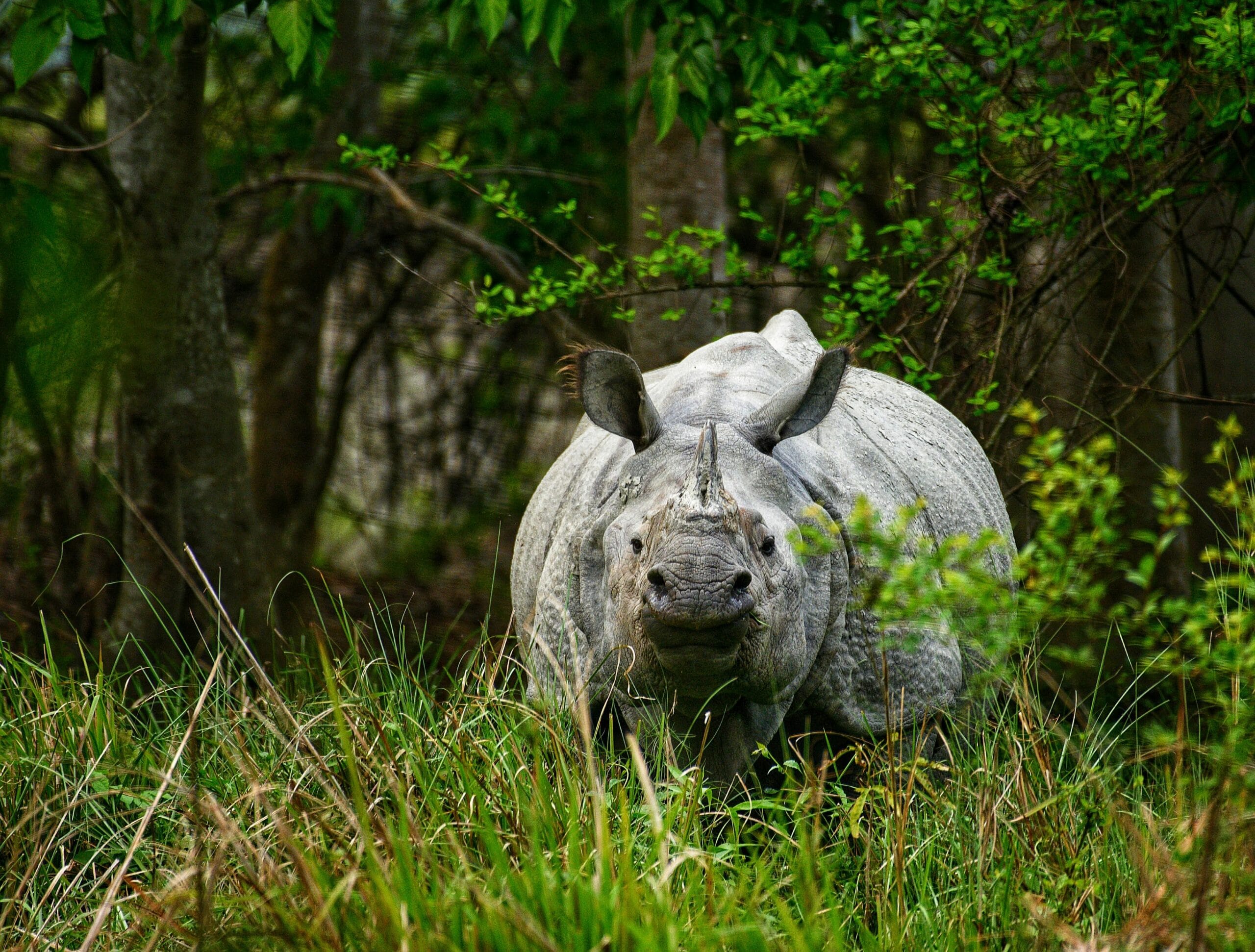
Indian one‑horned rhinoceros grazing in open grasslands, especially in Gorumara, Jaldapara and nearby forests.
-
Asian elephants moving in herds near riverbeds and forest clearings.
-
Indian bison (gaur), often seen in small groups near meadows and salt licks.
-
Different deer species like spotted deer, sambar and hog deer, along with wild boar and smaller mammals.
-
Occasional leopard sightings, though these are more elusive and never guaranteed.
-
Rich birdlife including peacocks, hornbills and a variety of forest and riverine birds that make Dooars a favourite for birders.
Tigers are present in parts of the larger landscape around Buxa and certain protected areas, but sightings are rare and should be seen as a bonus rather than an expectation.
Who Can Visit Dooars (Age & Travel Comfort)
Dooars works well for couples, groups of friends, solo travellers and families with children, as long as you’re comfortable with basic to moderate levels of walking, early mornings and some bumpy forest tracks. In general:
-
Ideal for adults between 18–80 who enjoy nature, light adventure and offbeat travel.
-
Families with kids (usually 4+ years) can comfortably do jeep safaris, short walks and village visits, subject to forest department age rules for specific safaris.
-
Senior travellers can also enjoy Dooars if they are mobile and do not have serious back, heart or breathing issues, choosing shorter safaris and comfortable stays.
Best Time to Plan Your Dooars Escape
The main safari season in Dooars is from October to May, after the monsoon forests reopen and the weather turns cooler and clearer. Winter months, especially November to February, offer crisp mornings, pleasant days, and some of the best chances of wildlife sightings.