
The Unofficial Escape starts as a very personal reaction to how most people travel in the Himalayas: rushed, copy-paste itineraries, crowded viewpoints, and homestays that feel more like budget hotels than real homes. It grows into a small, stubborn brand that wants to fix that problem one trip at a time, by keeping travel slow, human, their travel needs and local‑first.
How The Idea Begins..
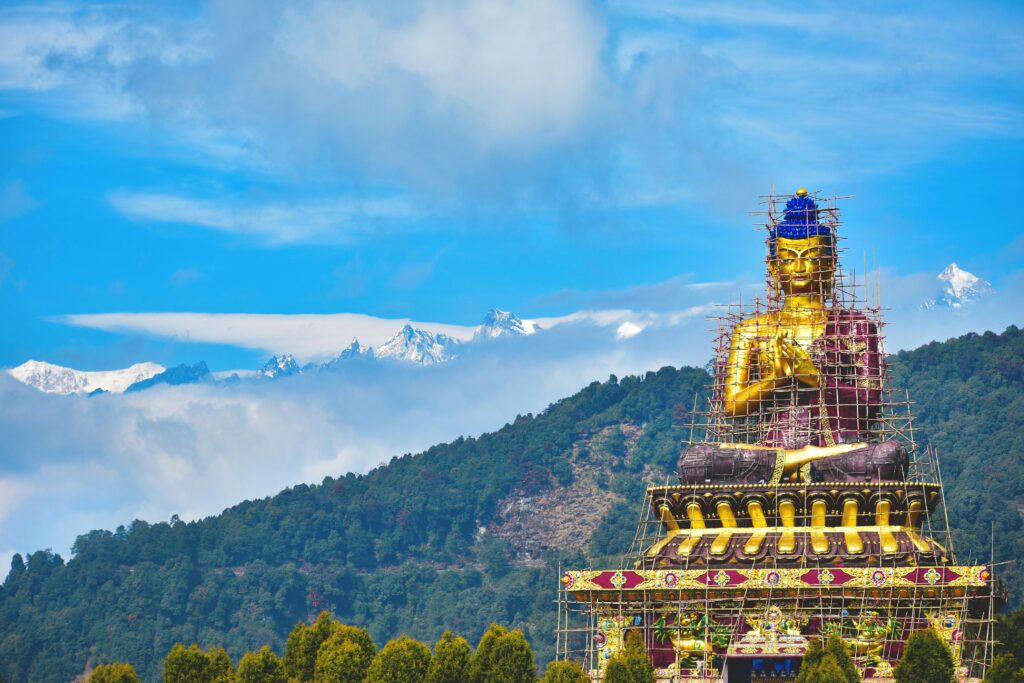
The story really starts with frustration. You watch friends and families go to the mountains, tick off the usual tourist spots, come back with the same photos and the same complaints: “too crowded, too commercial, too tiring.” At the same time, you see how much pressure this kind of travel puts on fragile mountain villages: traffic jams, plastic waste, homestays turning into cookie‑cutter hotels, and locals slowly losing control over how tourism shapes their homes.
You also notice something else: whenever people manage to break out of that pattern and spend a day in a quiet village, walk through an orange orchard, or sit in someone’s kitchen with a cup of tea, that one simple moment becomes the memory they talk about for years.
The Unofficial Escape grows out of a simple question: what if a trip could be built entirely around those kinds of moments, instead of squeezing them in as an afterthought.
Why It Is “Unofficial”?
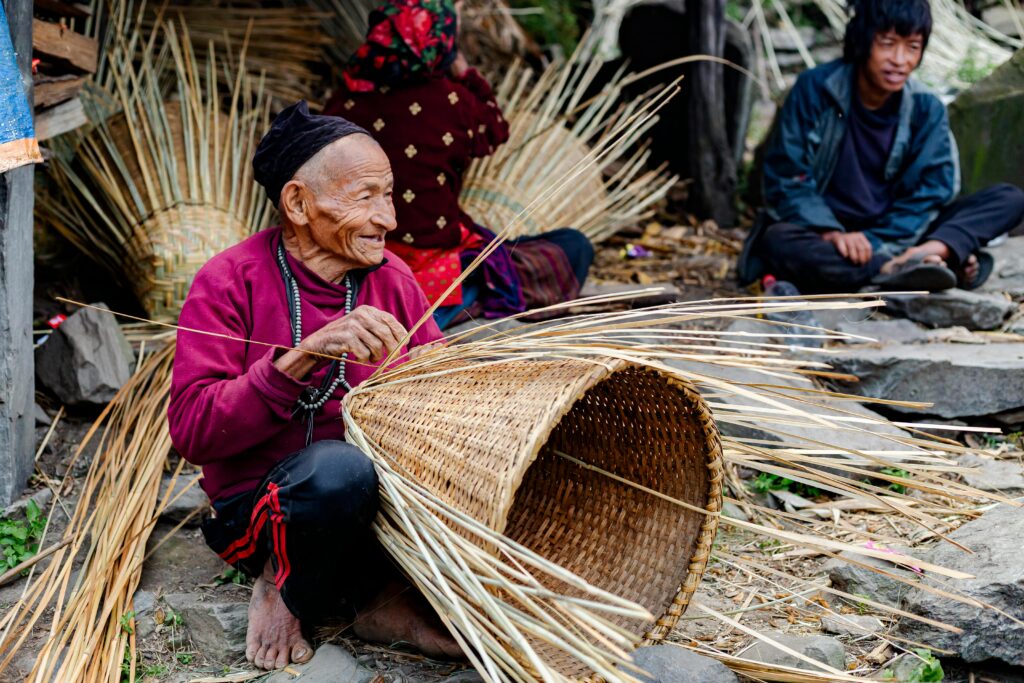
The name “The Unofficial Escape” reflects a very clear stance. It is not about grand resorts, packaged sightseeing and glossy brochures. It is about the trips that usually happen around the edges of official plans: the long detour to a quiet village, the chai break that turns into a two‑hour conversation, the decision to skip a “famous” spot because a local tells you about a quieter trail nearby.
“Unofficial” also means that we are not trying to be another mass‑market travel company. There is no giant call center, no faceless booking engine, no race to undercut everyone else on price. There is a real person at the other end of the WhatsApp chat, willing to say, “This place is beautiful, but it is not right for your parents,” or “You will hate this viewpoint on a long weekend, let’s avoid it.”
From Solo Traveler To Solo Founder
The brand is built as a one‑person core with a wider circle of local partners. The founder plans and reviews every itinerary personally, instead of outsourcing it to a junior team or an algorithm. That sounds inefficient on paper, but it keeps one crucial thing intact: accountability. When a family reaches a remote homestay late in the evening, there is someone who already knows the host’s name, the room layout, and roughly what will be on the dinner table that night.
This solo‑founder model also sets the tone for how The Unofficial Escape behaves online. Instead of polished corporate speak, you see first‑person stories, field notes, and real‑time impressions from places like Sittong’s orange orchards and small Himalayan villages. The brand grows one conversation at a time, not through big ad campaigns.
What “The Unofficial Escape” Brand Stand For?

Three ideas sit at the heart of the brand and show up in every trip it designs: offbeat, simple, and honest. Offbeat does not just mean “less crowded.” It means choosing places where tourism supports local life instead of overwhelming it. That could be a family‑run homestay with four rooms instead of a 40‑room property, or a village walk that explains how locals farm, harvest, or celebrate, instead of a rushed drive past “points of interest.
Simple planning is a reaction to how confusing travel planning feels today. Many people bounce between blogs, Instagram posts, online travel agents, and random Youtube reviews, only to end up more confused than when they started. The Unofficial Escape tries to cut through that noise with clear, straightforward itineraries: realistic travel times, buffer days, basic costs, and honest notes on road conditions and comfort levels through local networking.
Honesty shows up in how expectations are set. Before a trip, guests see real stay photos, sample menus, and direct notes on what a place is and is not. A homestay might offer incredible views and warm hosts, but basic rooms and intermittent network; a village might be peaceful and scenic, but not great for nightlife or shopping. Our brand does not try to hide these trade‑offs, because those details are what make or break a mountain holiday for families with kids or older parents.
How Each Trips Actually Work?

A typical journey with The Unofficial Escape starts with a conversation, not a “book now” button. Travelers share dates, budget, and interests. Some might want to see snow for the first time, others might care more about quiet walks and bird calls than viewpoints and cafés. From there, the brand designs a custom plan that balances travel time, rest, and local experiences instead of cramming every day with car rides and 6 hours of travel to check out already crowded places.
The core services are all built around this idea. Custom trip planning keeps the itinerary realistic and aligned with the group’s energy and comfort levels. Guided local experiences focus on walking through villages, listening to stories, and visiting viewpoints that are often missed by generic tours. Authentic homestays put guests in real homes with home‑cooked food, rather than anonymous hotels that could be anywhere.
Even the use of technology follows this same line. The Unofficial Escape uses AI tools to filter options and avoid obvious bottlenecks like overcrowded spots and badly timed routes, but the final decisions stay completely human. This mix of smart tools and lived experience helps avoid classic mistakes like planning too many road hours in a day, or scheduling popular sites at peak times.
Safety & Trust In Fragile Landscapes
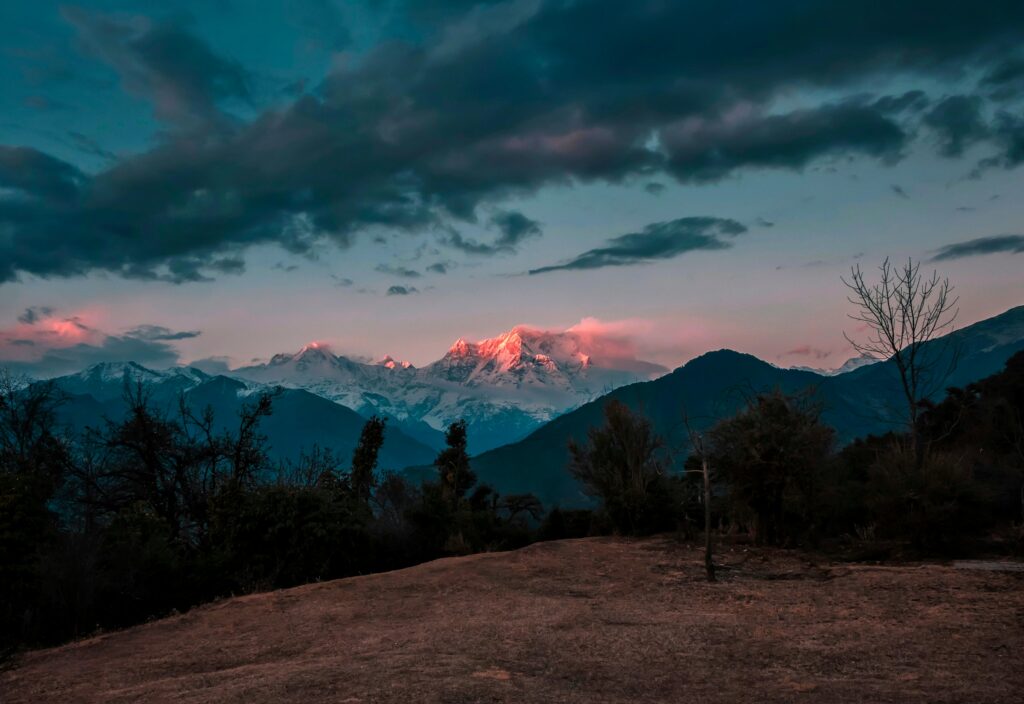
Safety is not treated as a hidden clause; it is a selling point. The brand works with a local network of trained hosts and guides who understand both the terrain and the kind of travelers they are welcoming. That includes basics like safe drinking water, room heating, and transport reliability, but also softer details like how comfortable a place feels for solo women travelers or families with young children.
Communication stays deliberately straightforward. Instead of sending customers through a maze of ticket numbers and dashboards, The Unofficial Escape runs on WhatsApp, calls, and email. That makes it easier for guests to ask simple questions before and during the trip: “Will my parents be okay on this walk?” “Is there a mobile network at this stay?” “What time should we leave to avoid traffic?” On‑trip support is part of the offering, not an optional add‑on.
Trust also builds through clear boundaries. The brand is transparent about what it can control and what it cannot. It cannot guarantee perfect weather or zero roadblocks, but it can prepare backup options, realistic travel windows, and flexible plans. When things change on the ground, guests are not left alone to figure it out with a driver who barely knows their plan.
The Himalayas As A Responsibility, Not A Backdrop
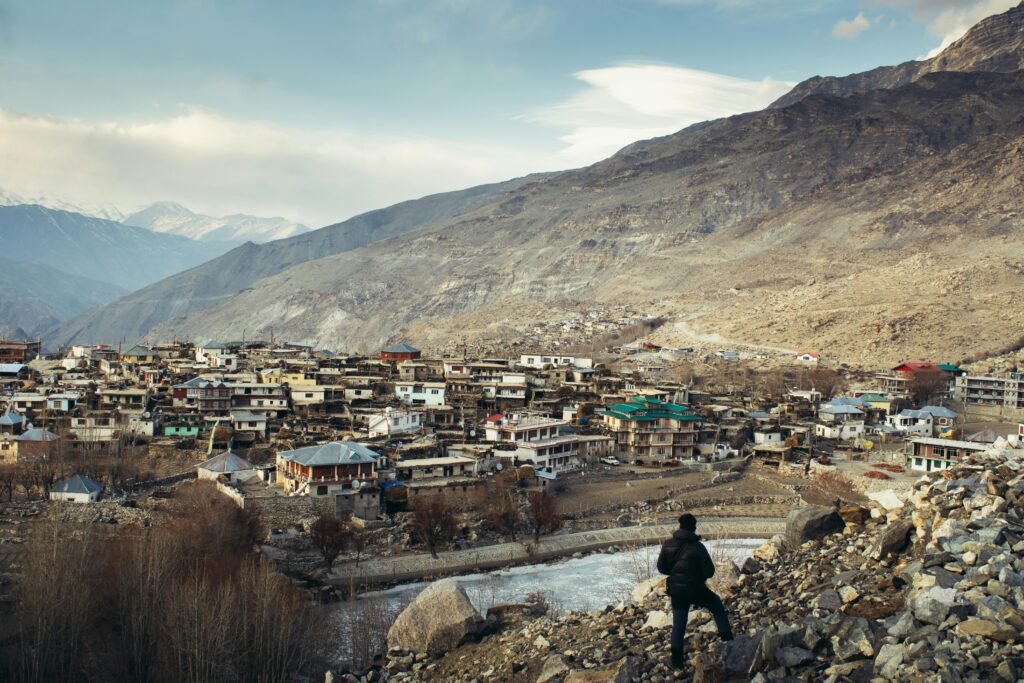
The Unofficial Escape is rooted in the Indian Himalayas, particularly less crowded belts where tourism is still small enough to be shaped. This context matters. Mountain ecosystems are fragile, road networks are often stretched, and waste management systems can easily collapse under the weight of unchecked tourism.
By sending travelers to homestays and local guides instead of large chains, the brand aims to keep more travel money in the local economy. That might look like eating in a family kitchen instead of a buffet restaurant, hiring a village guide for a half‑day walk, or visiting small farms and orchards in season. The goal is not to market these choices as “charity,” but to normalize them as the default way to travel here.
At the same time, The Unofficial Escape stays honest about the trade‑offs. Offbeat does not automatically mean “better” for everyone. Roads can be rough, comforts can be basic, and language barriers can exist. Our brand’s story acknowledges this openly, because romanticizing “remote” places without talking about these realities does both travelers and locals a disservice.
So, Why Our story Resonates?
For many travelers, the brand’s story clicks because it mirrors their own fatigue with mainstream tourism. They are tired of looking at a mountain from behind a row of parked cars, or standing in queues for “famous” spots that feel nothing like the photos they saw online. The Unofficial Escape offers a different promise: fewer places, deeper memories.
Travelers who share their experiences talk less about ticking off destinations and more about specific days: plucking oranges straight off trees in Sittong, sharing stories with a homestay host, or watching clouds build over a valley from a quiet balcony. These are small, ordinary moments, but they are precisely what most busy lives are missing.
That is the real story of The Unofficial Escape, a small, human‑scale travel brand that treats every trip as a chance to escape the default way people move through the mountains, and to replace it with something slower, clearer and more honest.